Everything About Meat Markets: Recognizing Their Function in Sustaining Local Farmers
Meat markets offer an essential function in local economic climates by linking the space in between customers and farmers. They supply a direct sales network that improves the freshness and high quality of meat items. Past comfort, these markets play a substantial duty in promoting sustainable farming and sustaining the livelihoods of regional farmers. Nevertheless, the effects of this partnership expand further than one might anticipate, elevating questions concerning sourcing techniques and customer options.
The Relevance of Meat Markets in Local Economic Climates
Although often forgotten, meat markets play an essential role in reinforcing regional economic climates by sustaining farmers and generating work. These establishments function as crucial middlemans, offering a system for regional producers to market their products straight to consumers. By acquiring in your area sourced meat, consumers add to the sustainability of neighboring ranches, ensuring their viability and promoting agricultural diversity.
Meat markets develop work chances, ranging from butchers and sales personnel to management and logistics roles. This task development stimulates the regional economy, fostering a sense of area as locals involve with their neighborhood organizations.
Furthermore, meat markets usually bring in customers who seek high-grade, fresh products, which can bring about boosted foot website traffic and sales for bordering organizations. Generally, the presence of meat markets can significantly enhance regional economic health, strengthening links in between farming and neighborhood health while supporting the resources of farmers.

Linking Farmers and Customers: Just how Meat Markets Run
Meat markets function as essential centers that connect neighborhood farmers directly with customers, promoting a structured supply chain that profits both events. By sourcing items from nearby farms, these markets guarantee that consumers get fresh, high-quality meat while sustaining neighborhood farming. The procedure of meat markets entails developing connections with farmers, usually permitting them to display their items and share their farming practices.
Subsequently, customers access to a diverse selection of meats that mirror local tastes and preferences. Openness is a key facet of these markets, as customers are commonly supplied with information regarding the sourcing and taking care of of the meat. This direct connection cultivates count on and commitment between customers and farmers, improving community ties. Furthermore, meat markets frequently participate in marketing tasks, such as farm-to-table occasions, which even more improve the consumer's experience and awareness of neighborhood farming methods.
Advertising Lasting Agriculture Practices
Promoting sustainable farming practices is crucial for the future of food production and environmental health and wellness. By concentrating on ethical farming methods, encouraging biodiversity, and promoting for regional and seasonal sourcing, the farming sector can significantly lower its eco-friendly footprint. These techniques not only support the ecological community but also cultivate a much healthier connection in between farmers and customers.
Honest Farming Techniques
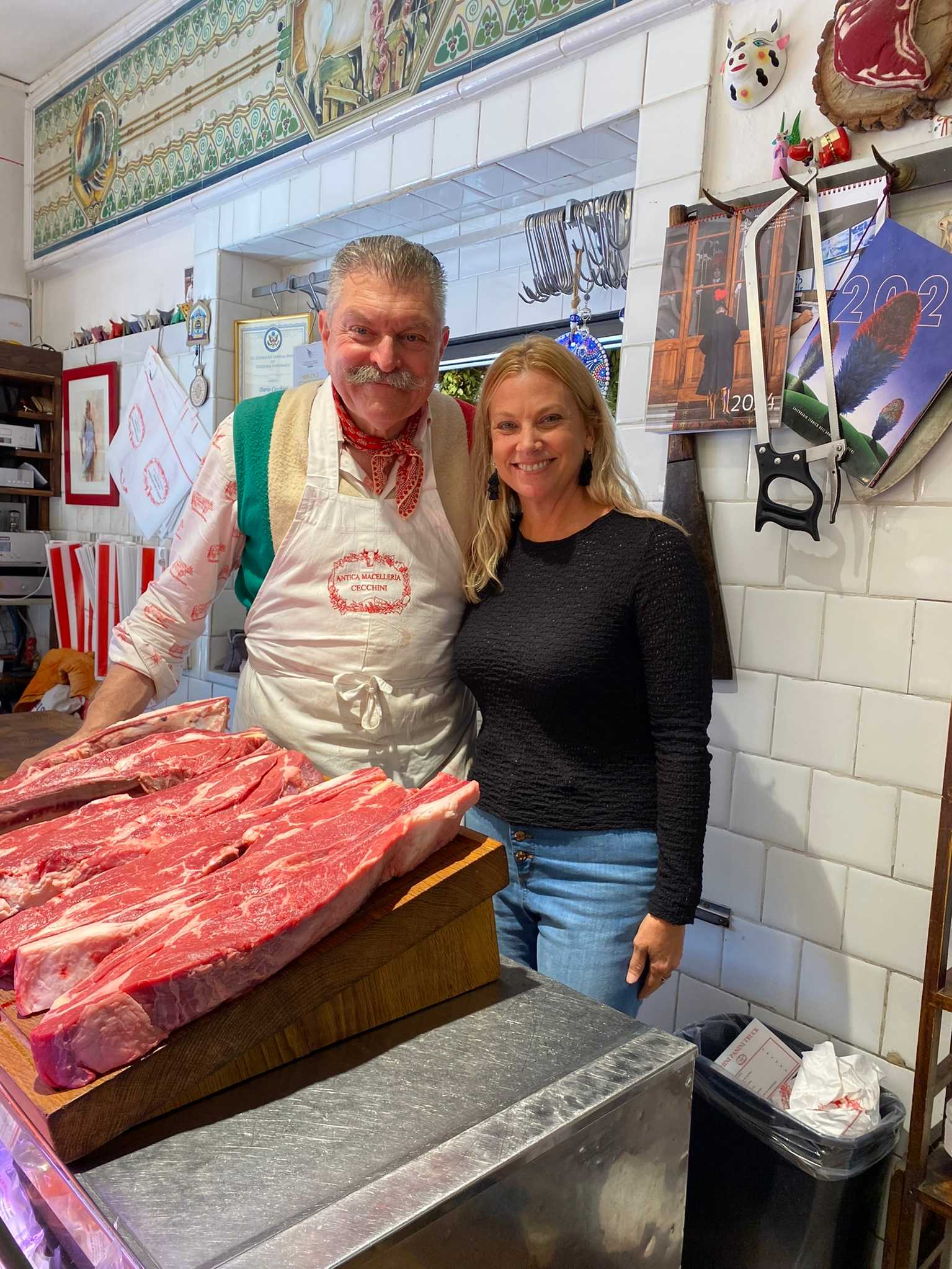
An expanding variety of farmers are embracing moral farming techniques to enhance sustainability and lower environmental influence. These approaches concentrate on liable land management, minimizing using chemical plant foods and chemicals, and accepting organic techniques. Strategies such as crop turning, cover cropping, and agroforestry not just improve soil wellness but likewise promote biodiversity. In addition, farmers are increasingly prioritizing animal welfare by lowering and providing pasture-based systems arrest methods. By prioritizing local sources and area involvement, ethical farming fosters a resilient farming system. This shift not only benefits the environment however also reinforces the connection in between customers and farmers, encouraging notified investing in choices that support lasting techniques. Inevitably, these techniques serve to create a more lasting future for agriculture.
Biodiversity and Community Wellness
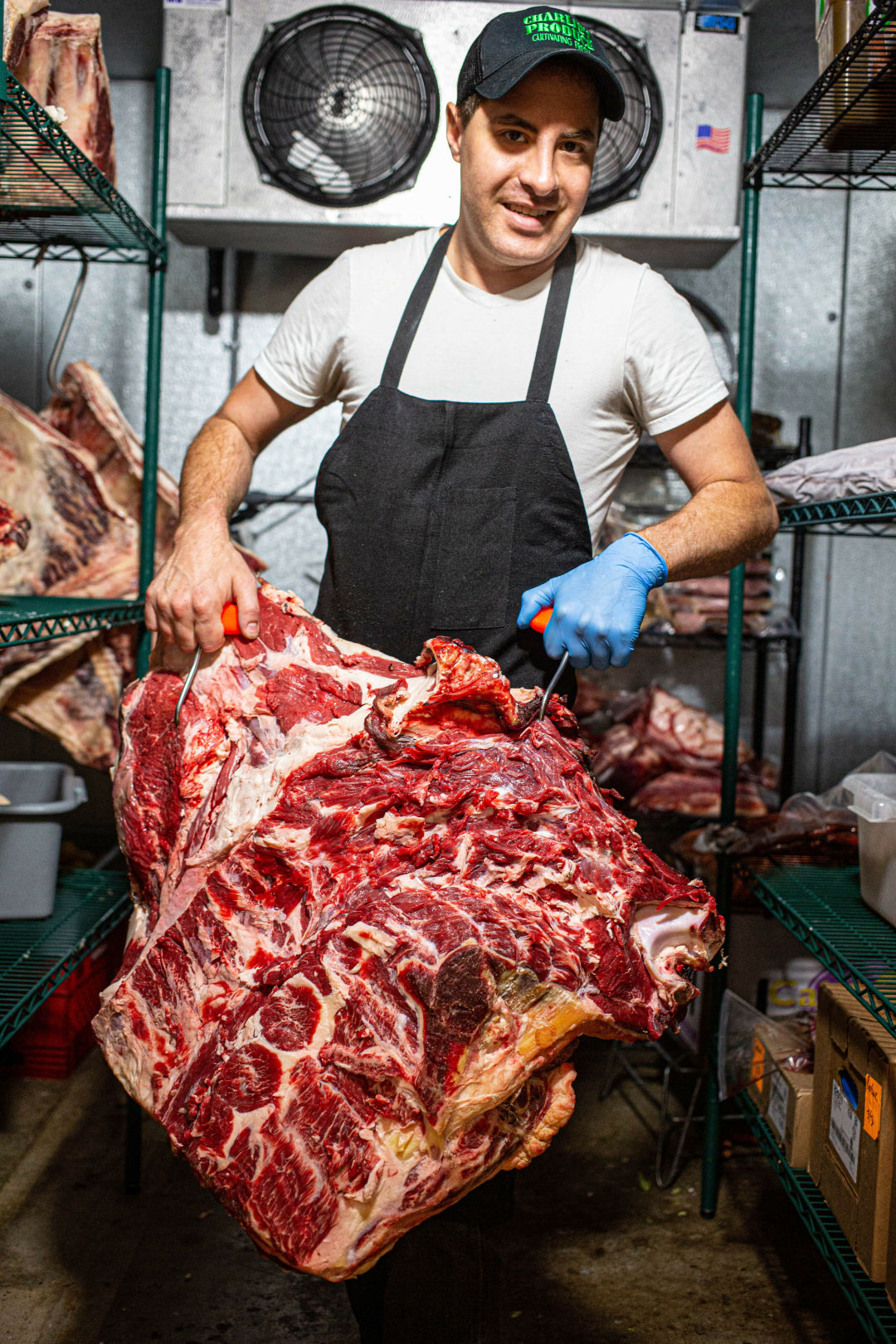
While many farming practices have actually traditionally prioritized yield over eco-friendly equilibrium, a growing recognition of biodiversity's value has actually emerged amongst farmers and consumers alike. Biodiversity enhances environment strength, supporting soil health, insect control, and pollination. By integrating varied crops and livestock, farmers can produce much more stable communities that minimize dependence on chemical inputs and boost overall performance. Lasting farming methods that advertise biodiversity not only protect natural habitats however also contribute to the long-term viability of farming. Meat markets play an important role in this standard shift by advocating for neighborhood items that prioritize environmental wellness. By selecting to resource from farms that embrace biodiversity, consumers can support techniques that ensure a lasting future for agriculture and the atmosphere.
Seasonal and Local Sourcing
Local and seasonal sourcing not just enhances the quality of food however additionally supports sustainable farming techniques that benefit both customers and farmers. By prioritizing regional meat markets, consumers can link directly with farmers, cultivating a feeling of neighborhood and trust fund. This model decreases the carbon footprint related to long-distance transportation, advertising ecological sustainability. Farmers benefit from even more steady revenues and a dependable market for their products, which motivates responsible farming techniques. In addition, seasonal sourcing urges diverse farming practices, enabling farmers to revolve crops and animals, thus preserving soil health and biodiversity. On the whole, this strategy creates an extra resistant food system that aligns with the worths of area, sustainability, and top quality support, strengthening the crucial link in between consumers and neighborhood farming systems.
The Function of Transparency in Sourcing Meat
What factors add to consumer count on meat items? Transparency in sourcing is an essential component. Customers progressively inquire concerning where their meat comes from, including the practices and ranches included in elevating the pets. Meat markets that prioritize openness typically show clear labeling, detailing the resource and manufacturing approaches made use of. This openness cultivates confidence and allows consumers to make educated selections.
Furthermore, clear methods can consist of farm check outs, collaborations with regional farmers, and sharing stories concerning the animals and their atmospheres. As customers become extra informed concerning food sourcing, they have a tendency to like meat products from providers that loom with information. This need for openness not only enhances customer trust but also urges meat markets to develop ethical partnerships with local farmers. Inevitably, transparency sustains a cycle of accountability, benefiting both consumers and manufacturers in the meat sector.
Sustaining Animal Welfare Through Local Sourcing
Supporting pet welfare through neighborhood sourcing joints on read this the adoption of honest farming practices. By prioritizing transparency in sourcing, consumers can make educated selections that reflect their worths. In addition, area engagement initiatives promote a more powerful link between farmers and customers, boosting the total dedication to gentle treatment of animals.
Honest Farming Practices
While consumers progressively prioritize honest factors to consider in their food options, neighborhood sourcing provides a sensible path to supporting animal welfare. Moral farming methods emphasize humane treatment of animals, guaranteeing they have appropriate space, correct nourishment, and access to outdoor atmospheres. Neighborhood farms often comply with these criteria, as they are much more liable go right here to their communities and customers. By picking to source meat locally, consumers can support ranches that prioritize sustainable and humane methods over industrialized approaches, which usually compromise animal well-being. This link fosters a much deeper understanding of food manufacturing and encourages liable intake. Eventually, regional sourcing encourages consumers to make educated options that line up with their values regarding moral treatment of animals in the food market.
Openness in Sourcing
Exactly how can transparency in sourcing enhance consumer trust in regional meat markets? By providing clear info about the origins of their items, regional meat markets promote a sense of responsibility and honesty. When consumers understand the sourcing methods, consisting of the therapy of pets and farming techniques, they are a lot more most likely to feel great in their investing in choices. This openness enables customers to straighten their values with business they support, understanding they are adding to moral animal well-being and lasting methods. Additionally, local meat markets can display partnerships with neighboring ranches, stressing area assistance and strengthening a positive connection in between manufacturers and consumers. Eventually, openness in sourcing not just builds depend on however likewise urges educated selections among customers.
Area Engagement Initiatives
What function do area involvement efforts play in advertising pet welfare through neighborhood sourcing? These campaigns substantially improve awareness and understanding of honest farming practices among consumers. By cultivating links in between regional farmers and community participants, meat markets can emphasize the value of humane therapy of pets. Educational workshops and farm excursions enable customers to witness firsthand the problems under which animals are increased, strengthening the value of regional sourcing. Additionally, community events, such as farm-to-table dinners, highlight the connection between animal well-being and sustainable methods. Via these interactions, consumers develop trust in local meat markets, motivating them to sustain ethical sourcing and promoting a society of responsible intake that prioritizes animal well-being in the community.
Wellness Perks of Choosing Local Meat Products
Picking local meat products uses various health benefits that can substantially improve total well-being (butcher shop edwardsville il). One substantial advantage is the reduced time between ranch and table, which often leads to fresher meat with greater nutritional worth. Neighborhood meats often tend to be without damaging chemicals and ingredients frequently located in factory-farmed choices, adding to a cleaner diet regimen
Furthermore, local farmers usually focus on humane and sustainable methods, resulting in much healthier animals that create better-quality meat. Grass-fed and pasture-raised animals, regularly discovered in regional markets, usually have higher degrees of omega-3 fats and reduced levels of hydrogenated fats compared to their barnyard equivalents.
Sustaining local meat products fosters area health by making sure that consumers have accessibility to secure and sensibly sourced food. By selecting regional, people not just nurture themselves yet also contribute to the health of their neighborhood and environment.
Making Educated Selections at the Meat Market
When traversing a meat market, recognizing the key elements that affect high quality and sourcing can equip customers to make visit our website enlightened selections. Shoppers ought to focus on local items, which often come from ranches with lasting methods. Recognizing tags such as "grass-fed" or "organic" can likewise guide choices, as these usually show higher well-being criteria and nutritional benefits.
Engaging with the butcher is essential; experienced personnel can supply understandings into the sourcing of their meats and recommend cuts that fit different cooking techniques. Customers are urged to make inquiries concerning the ranch's practices, consisting of animal therapy and feed.
Furthermore, analyzing the meat's shade and texture can expose freshness and high quality. Lean cuts must show up wet and bright, while fatty cuts must have a marbled appearance. By incorporating these techniques, customers can confidently select meats that line up with their values and assistance regional agriculture.
Regularly Asked Concerns
What Kinds of Meat Are The Majority Of Commonly Offered at Local Meat Markets?
Local meat markets normally supply a variety of meats, including beef, chicken, pork, and lamb. These establishments typically feature specialty cuts, sausages, and locally sourced items, satisfying varied cooking choices and client needs.
How Can I Locate a Meat Market Near My Place?
To find a meat market nearby, one can use online maps, internet search engine, or regional directory sites - farmer's meat market near me. Furthermore, asking neighbors or friends for suggestions commonly produces useful understandings right into the very best local alternatives available
Are There Seasonal Variations in Meat Accessibility at Meat Markets?
Seasonal variants in meat availability at meat markets commonly occur, affected by factors such as regional farming practices, animal breeding cycles, and seasonal demand. This can impact the types and amounts of meat provided throughout the year.
Do Meat Markets Offer Unique Promotions or Discount Rates for Bulk Purchases?
Meat markets commonly give unique promos and discount rates for bulk purchases. This practice encourages clients to acquire bigger quantities while enabling the markets to handle supply efficiently, profiting both customers and business economically.
Can I Request Details Cuts of Meat at the Market?
Yes, consumers can usually ask for certain cuts of meat at the market. Many butchers are eager to accommodate unique orders, ensuring that customers obtain the exact cuts they want, customized to their choices.
By sourcing products from nearby ranches, these markets guarantee that consumers obtain fresh, top quality meat while supporting local agriculture. By prioritizing local meat markets, consumers can link straight with farmers, promoting a sense of community and trust fund. How can openness in sourcing boost customer trust in local meat markets? Neighborhood meat markets normally supply a variety of meats, including beef, lamb, pork, and poultry. Seasonal variants in meat availability at meat markets often take place, affected by variables such as neighborhood farming techniques, animal reproduction cycles, and seasonal demand.